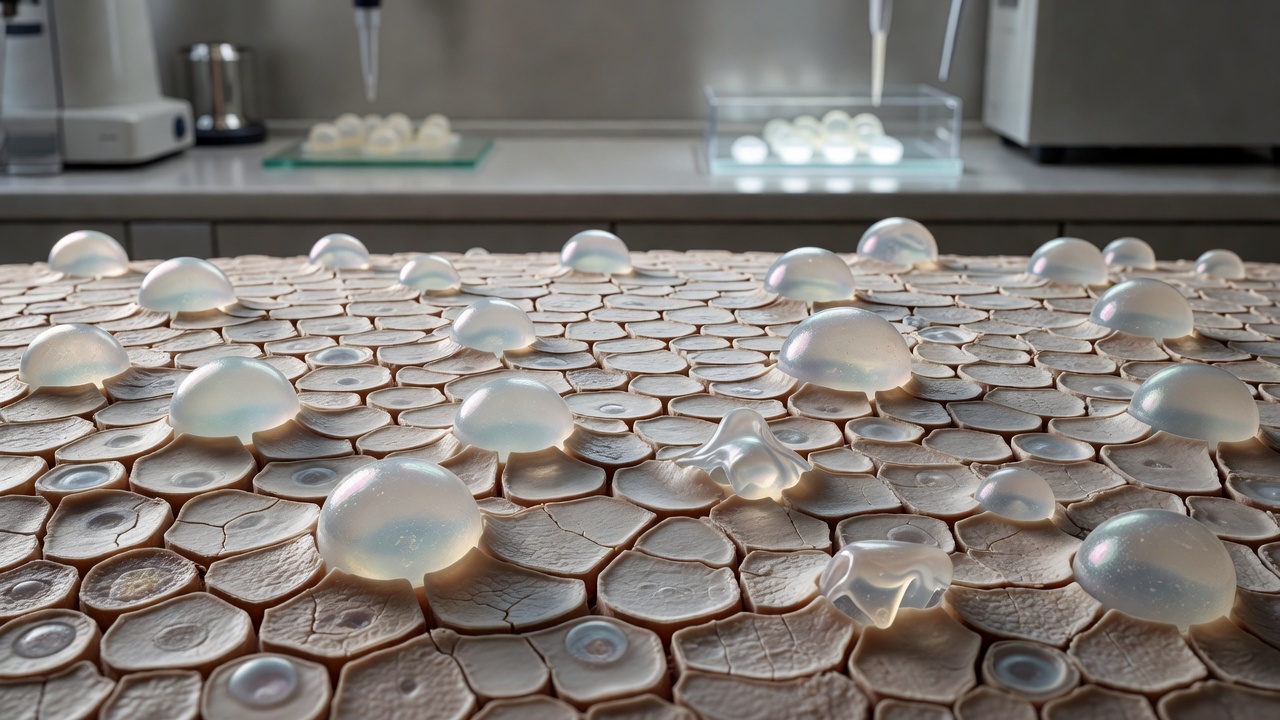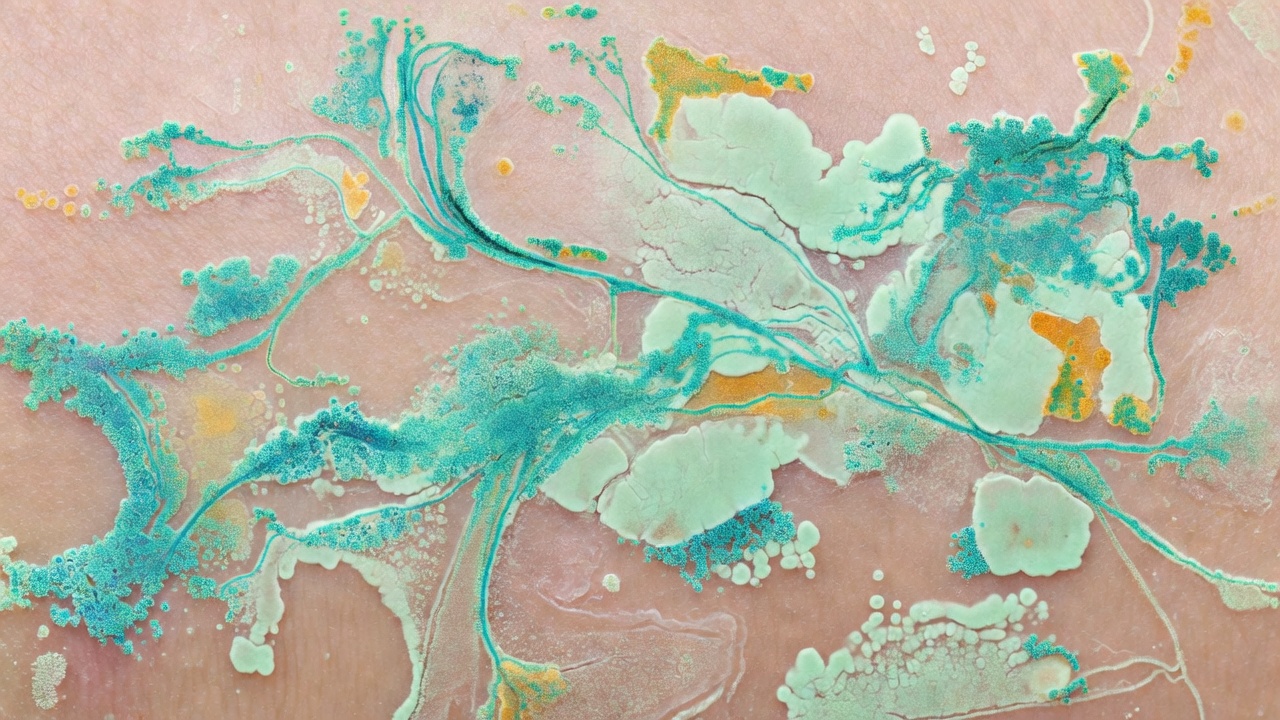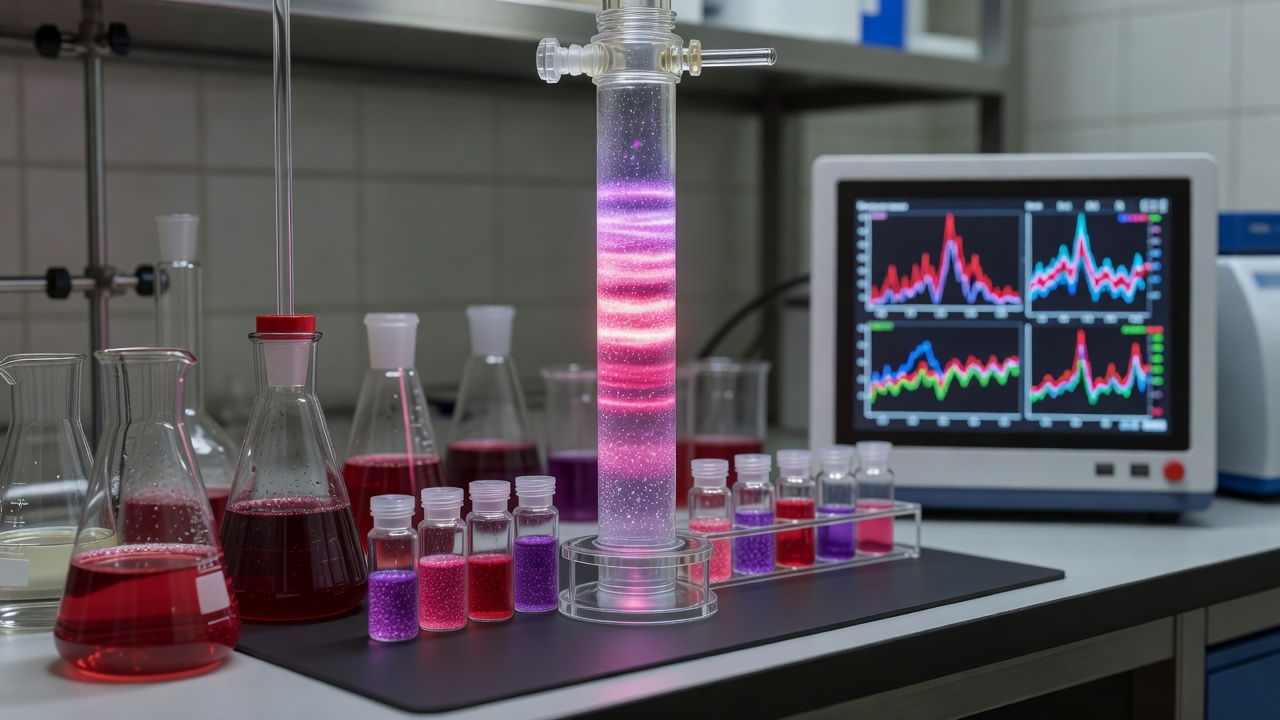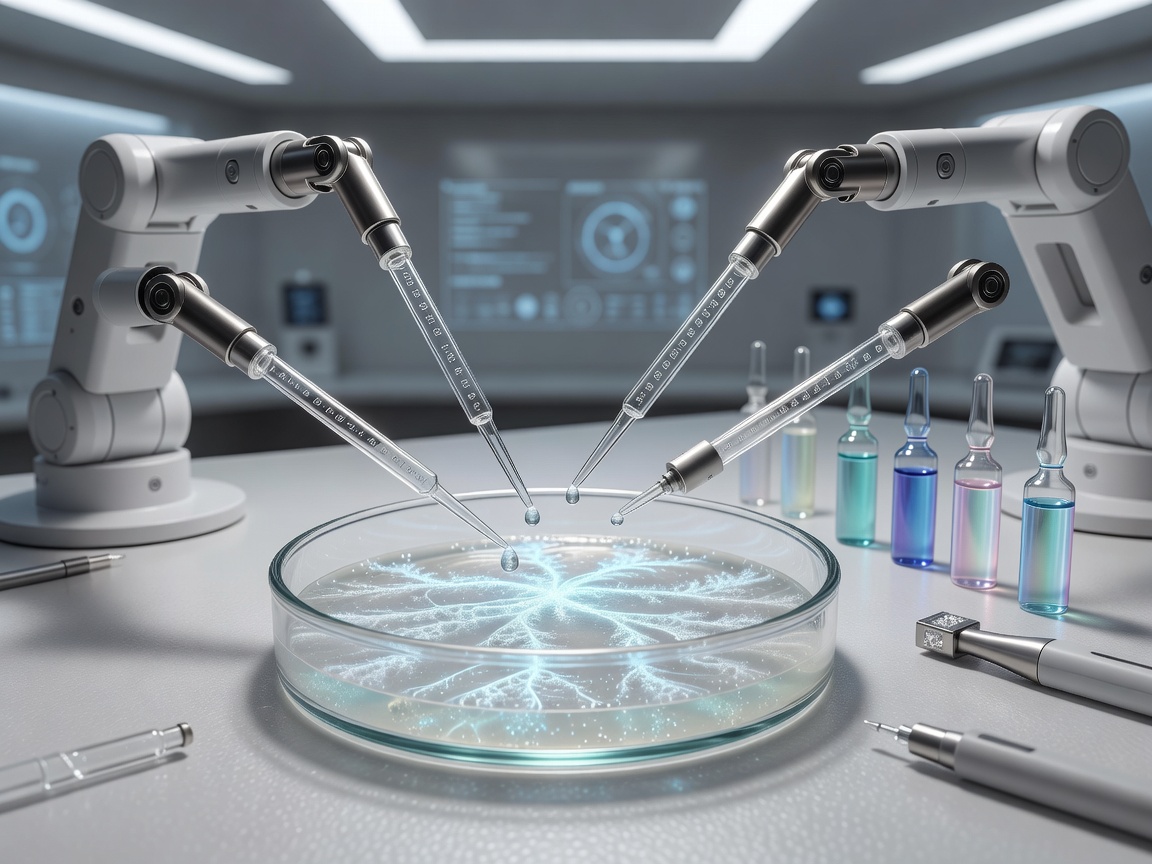


For decades, cosmetic formulation relied on generalized static templates—blending heavy petroleum bases with standardized percentages of active ceramides. However, real-time cutaneous telemetry data reveals that the stratum corneum's lipid requirements fluctuate dynamically based on ambient humidity, acid mantle pH, and micro-capillary perfusion.
1. The Tri-Lipid Biomimetic Coefficient
Our research at Nexlistwonderbas has defined the optimal barrier repair baseline as a precise 3:1:1 molar ratio of Free Fatty Acids, Phytosterols, and Ceramides (NP, AP, EOP). When transepidermal water loss (TEWL) rises above 18 g/m²/h, standard topical creams fail to integrate into the intercellular lamellae. Algorithmic telemetry recalculates the exact micro-squalane viscosity required to act as an instantaneous delivery vector.
2. Experimental Trial Outcomes
In a 14-day clinical observation involving 120 test subjects suffering from compromised stratum corneum integrity, personalized Wonder-Base Alpha #01 dosing yielded the following quantitative improvements:
| Telemetry Parameter | Baseline (Day 0) | Post-Analysis Dosing (Day 14) | Net Improvement |
|---|---|---|---|
| Transepidermal Water Loss | 24.2 g/m²/h | 9.8 g/m²/h | +59.5% Barrier Retention |
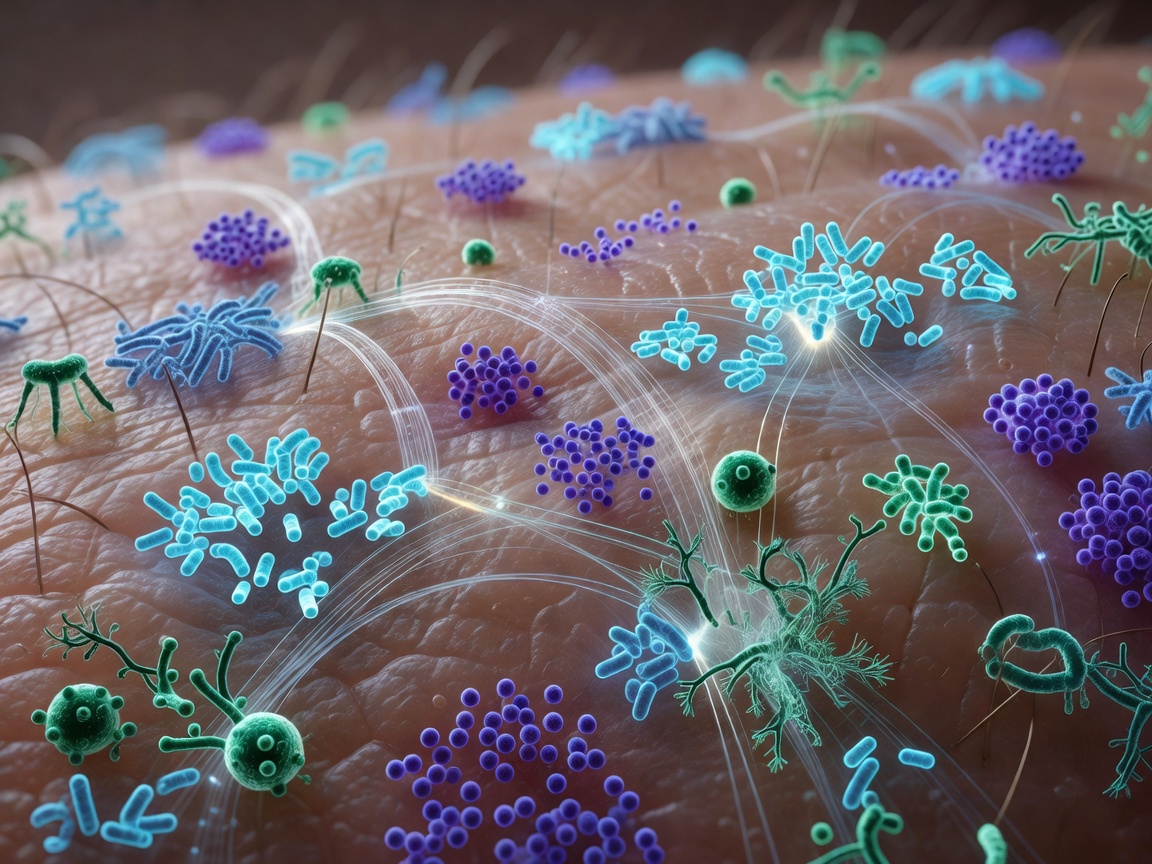
| Microbiome Diversity Index | 62 / 100 | 94 / 100 | +51.6% Flora Balance |
| Lipid Lamellae Cohesion | 58% | 95% | +63.7% Cohesion Score |
3. Future Implications for Skincare Science
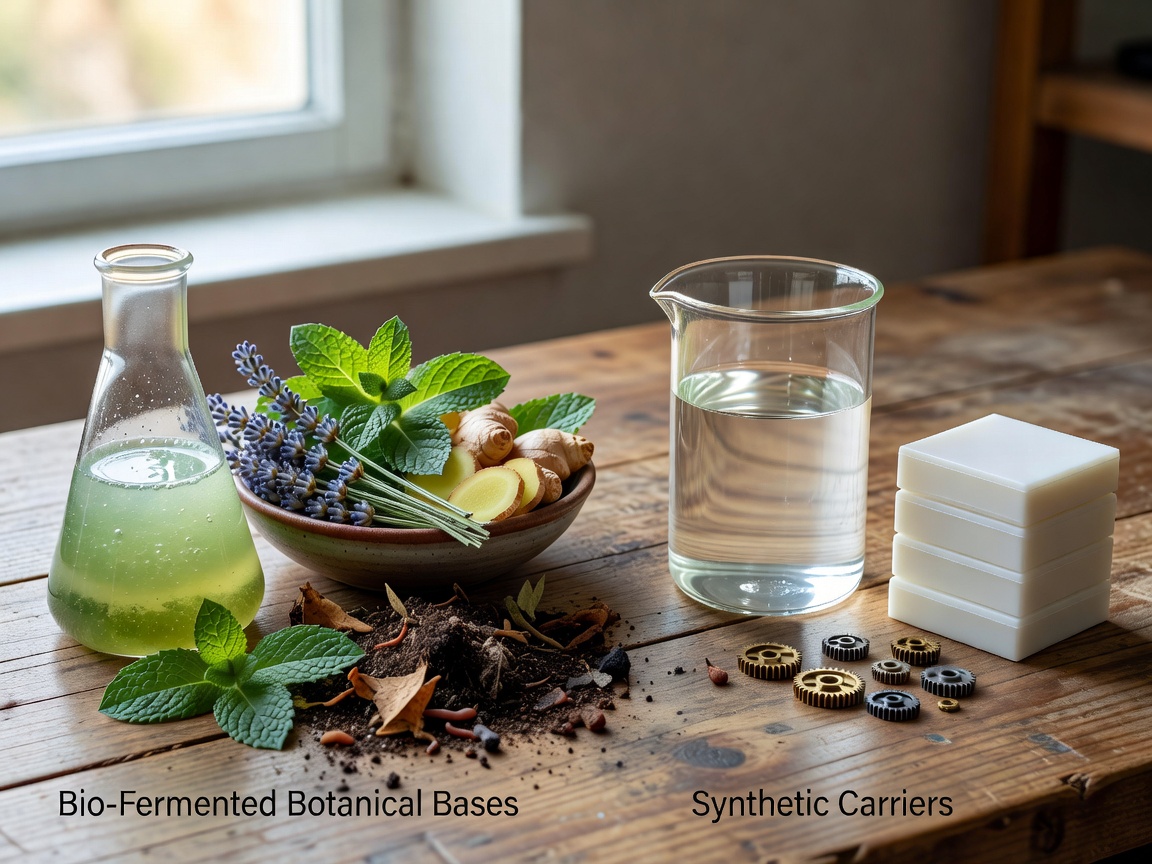
By pairing non-invasive cutaneous sensor readings with modular bio-fermented carrier bases, future cosmetic formulations will transition away from static over-the-counter creams toward dynamic daily adaptive telemetry profiles.